TheTibetanPilgrimage
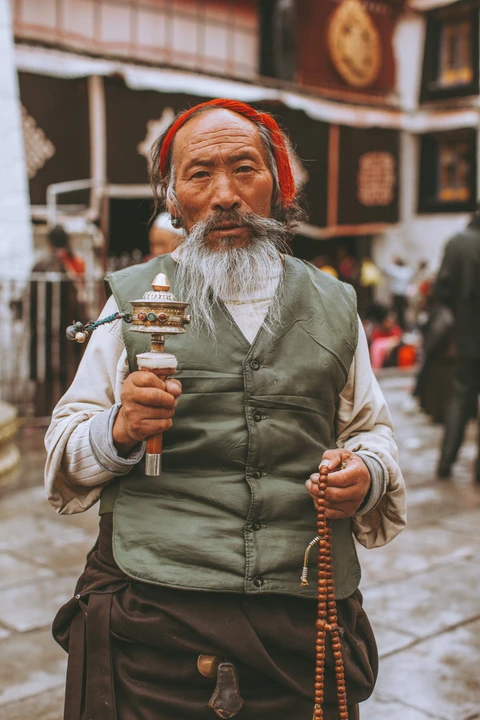
Early in my photography career, I came across Phil Borges’s portraits of Tibetan nomads. Those faces stayed with me, and Tibet went on my bucket list.
Phil later connected me with a guide who helped arrange the trip. I went there with a picture in my head: nomads in traditional clothing, out in that enormous landscape.
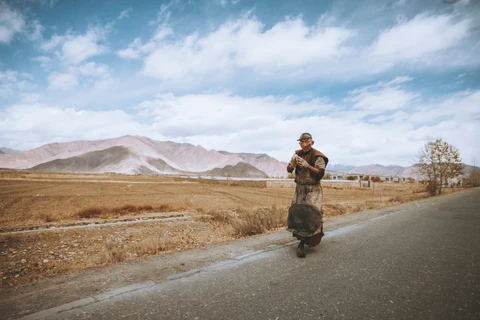
One manon the road
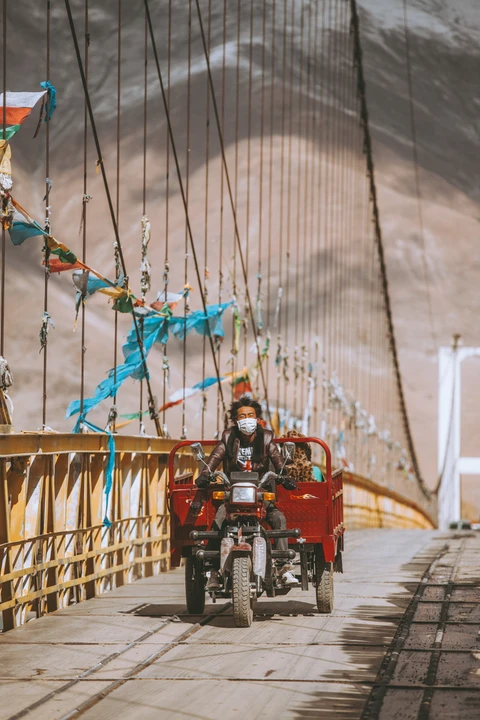
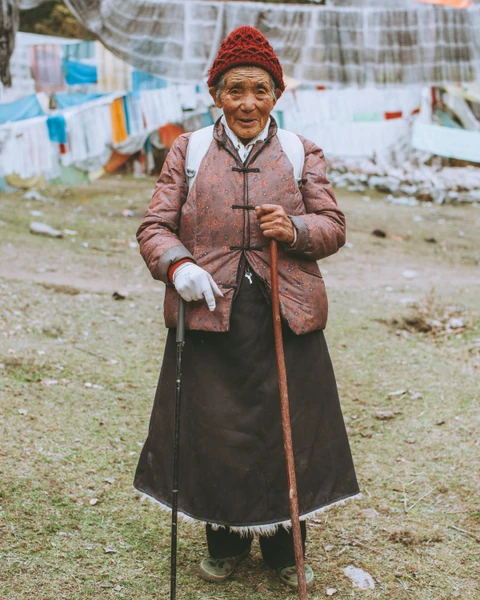
I spent time in Lhasa, then traveled through the countryside looking for the photographs I had imagined. It wasn’t coming together. The people I met weren’t necessarily dressed the way I’d expected, and I hadn’t found the direction of the project.
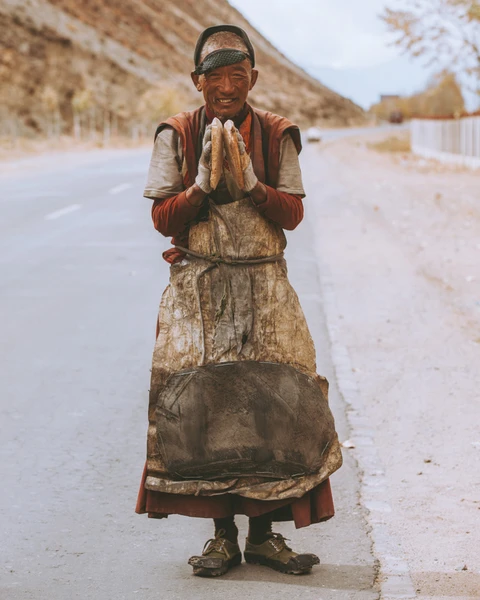
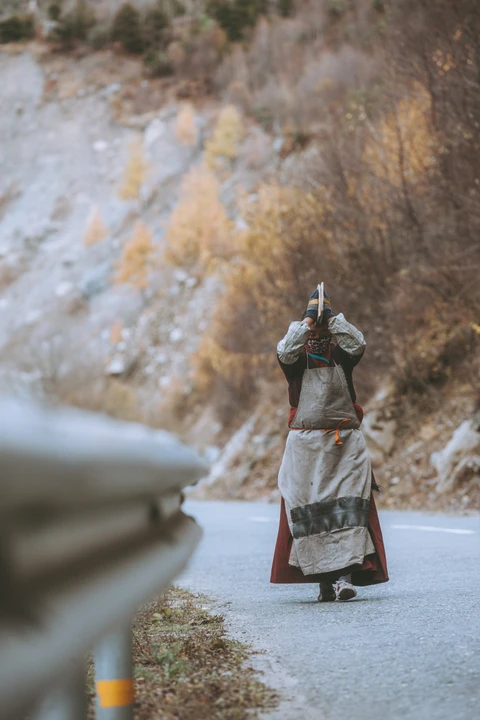
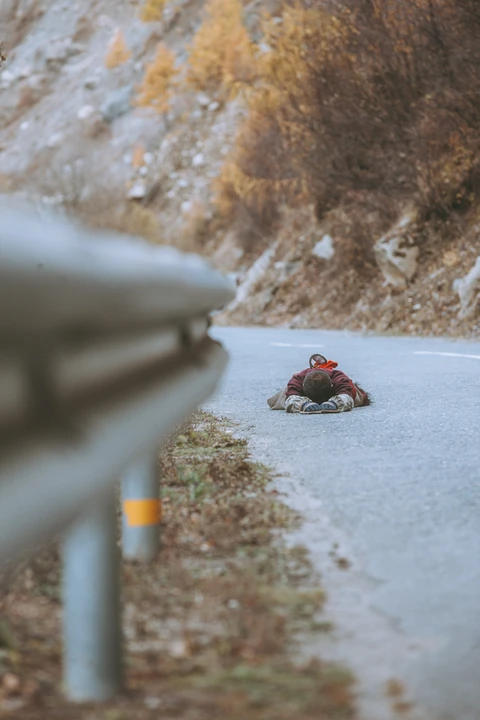
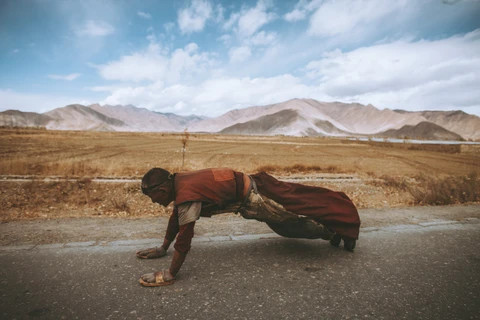
Then we passed an older man lowering his whole body onto the road, getting up, and doing it again. I asked Lumbum, my guide, to stop. I didn’t understand what I was seeing.
Lumbum explained that he was on a pilgrimage. He was traveling alone. I spent about an hour photographing him and talking with him through Lumbum. As I remember it, he had come roughly 1,600 kilometers and had only five or ten left.
A nightwith the pilgrims
After that encounter, I started looking for other pilgrims. I wanted to photograph the people making this journey and spend some time with them.
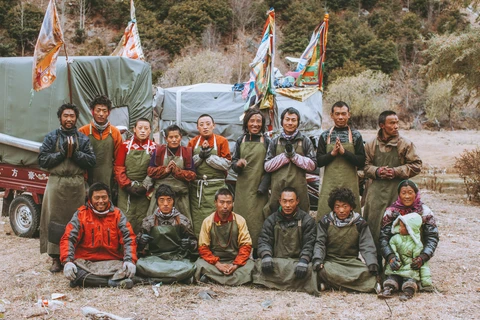
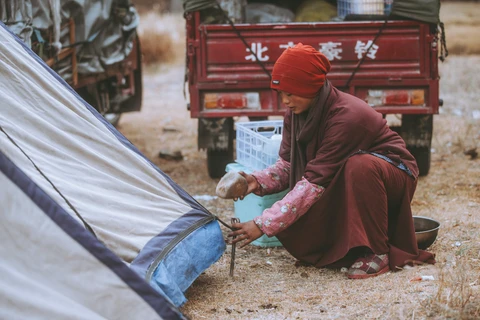
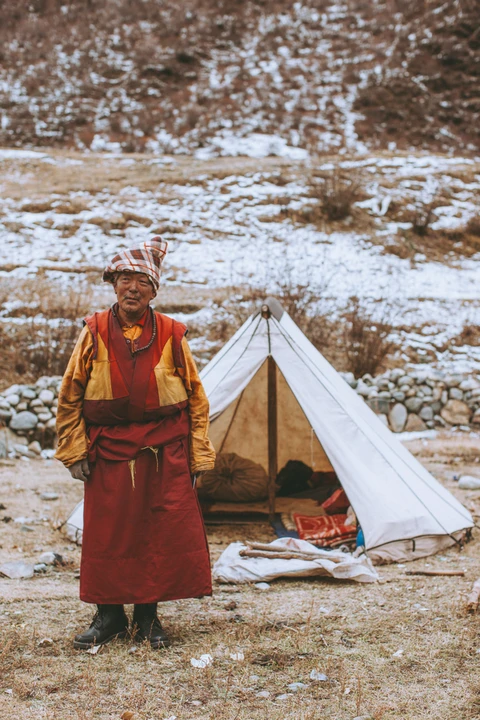
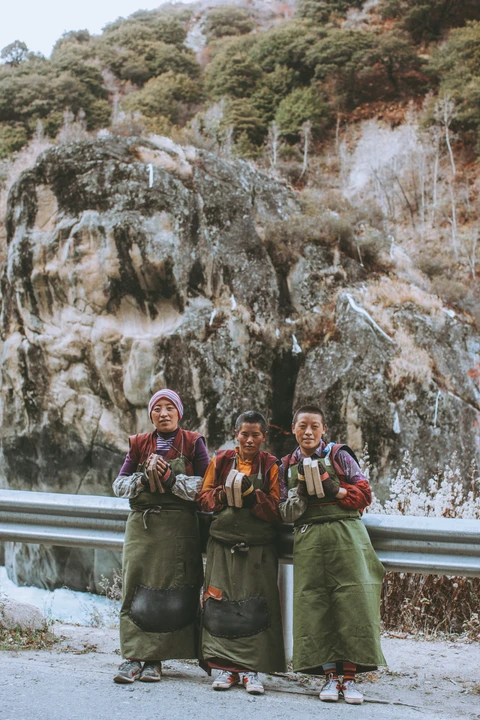
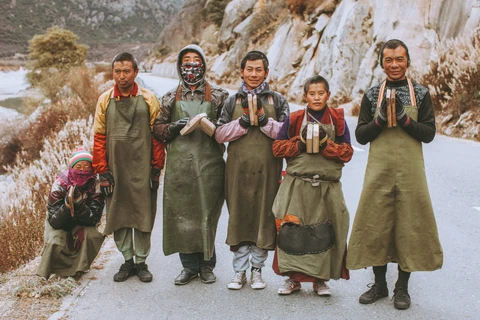
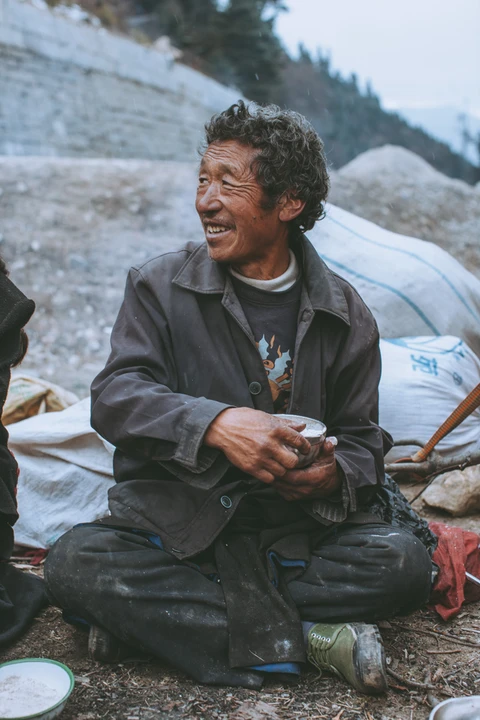
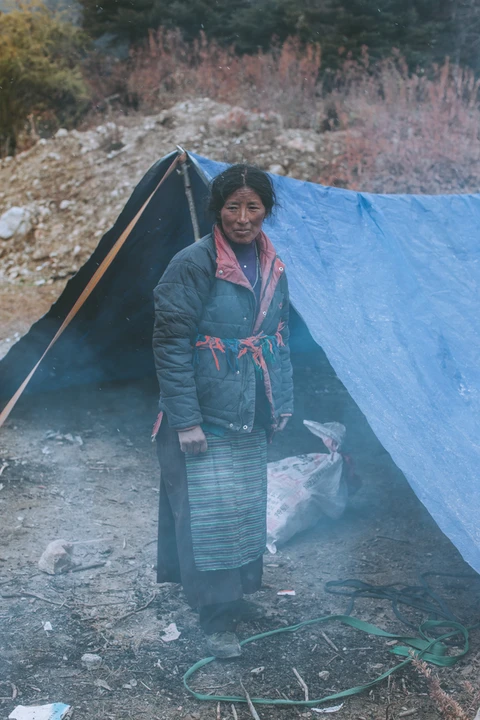
One night I camped with a group. It was cold. We shared food, and Lumbum helped us talk about their journey. I had come looking for one kind of photograph, and now I was getting to know the people in front of me.
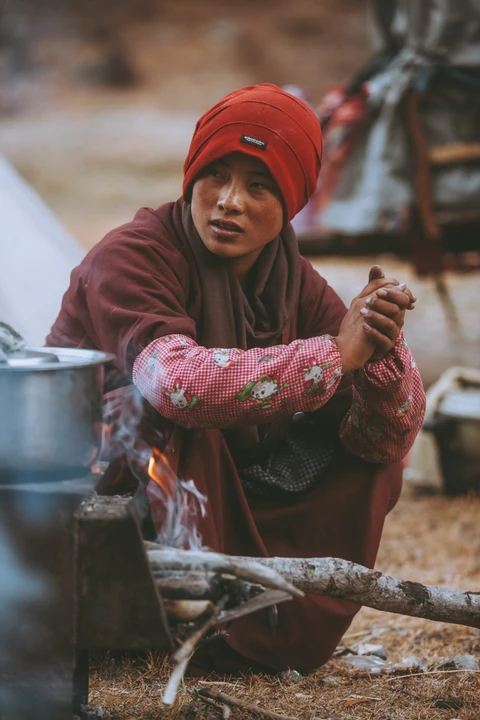
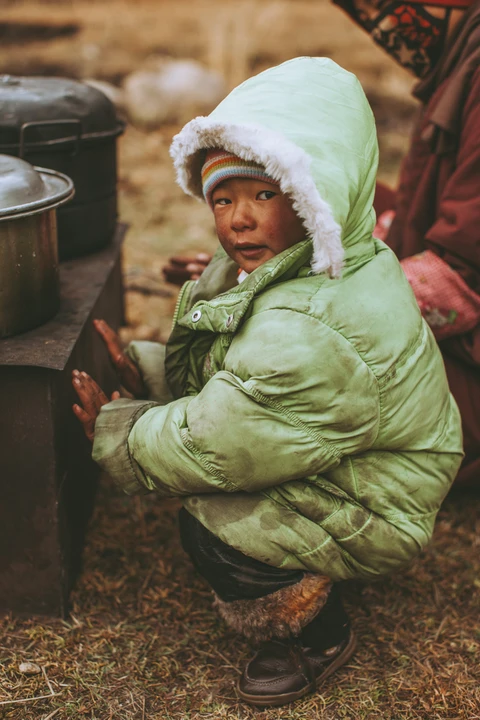
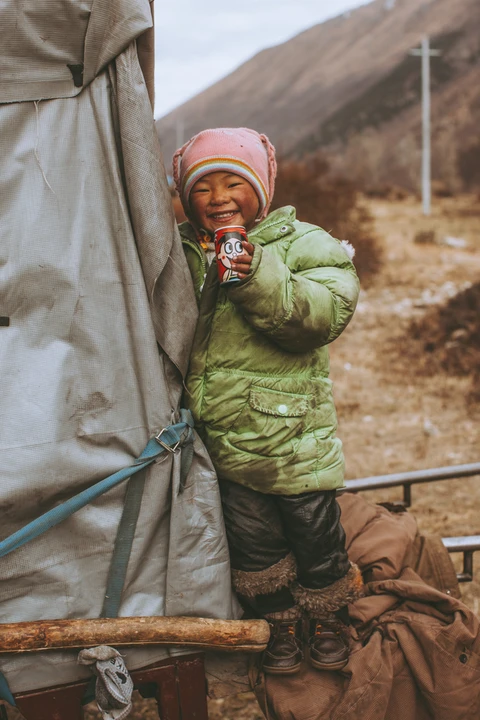
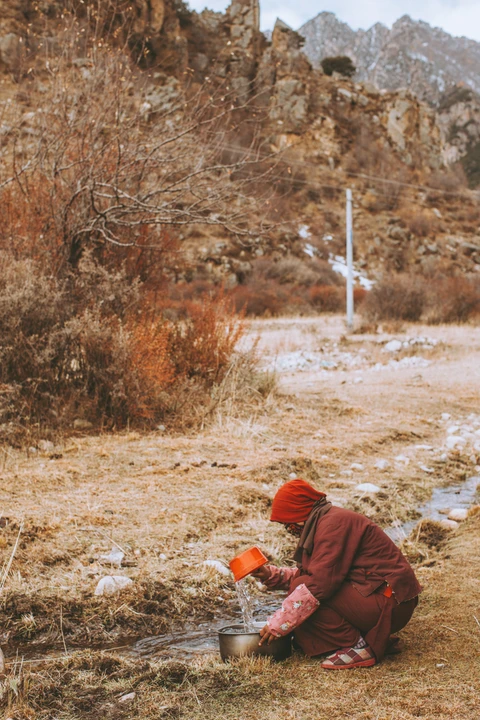
One movementat a time
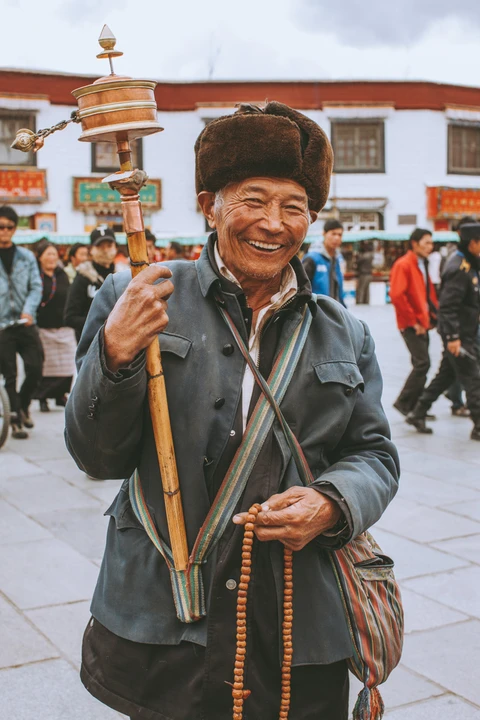
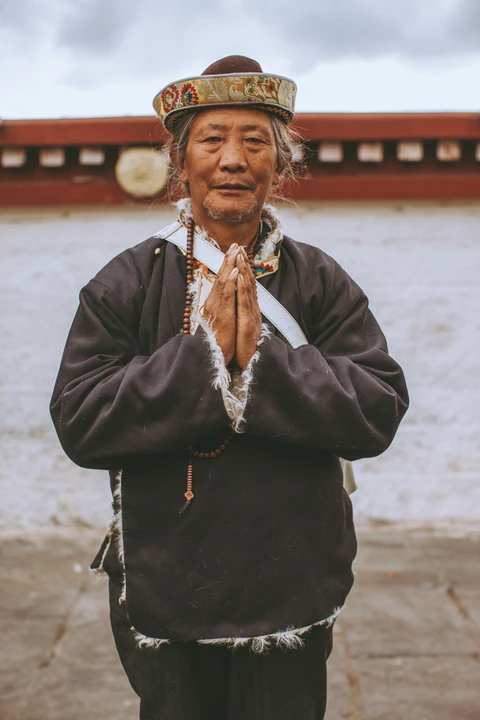
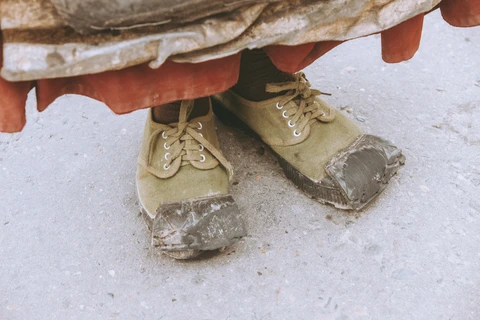
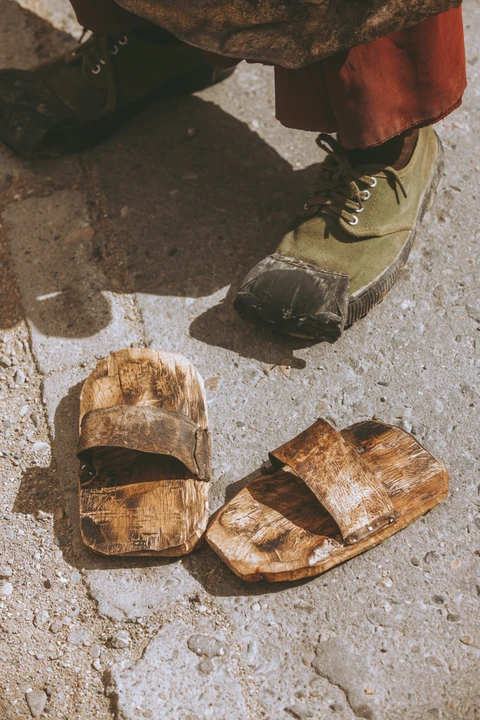
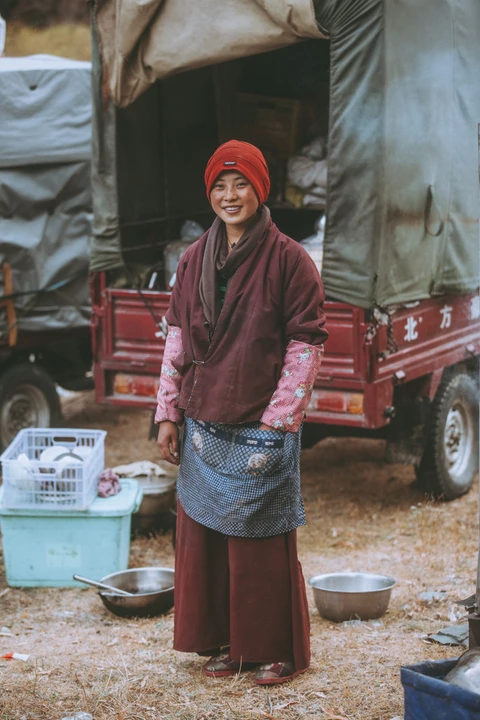
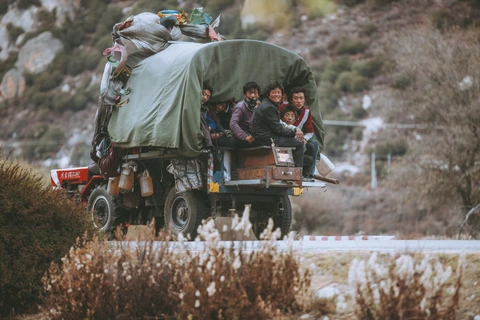
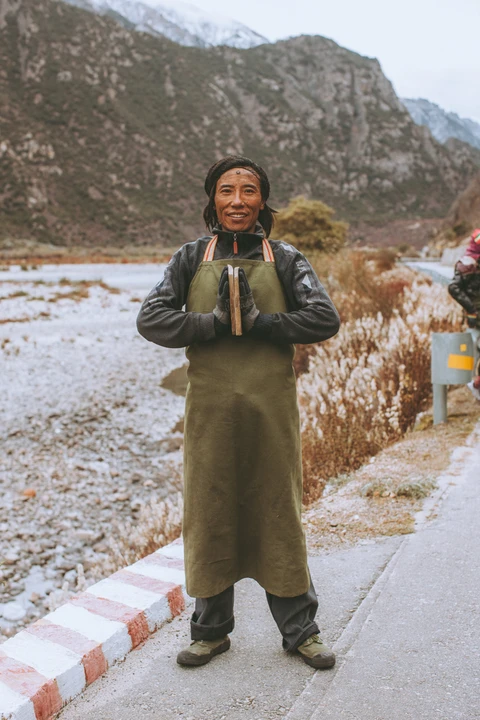
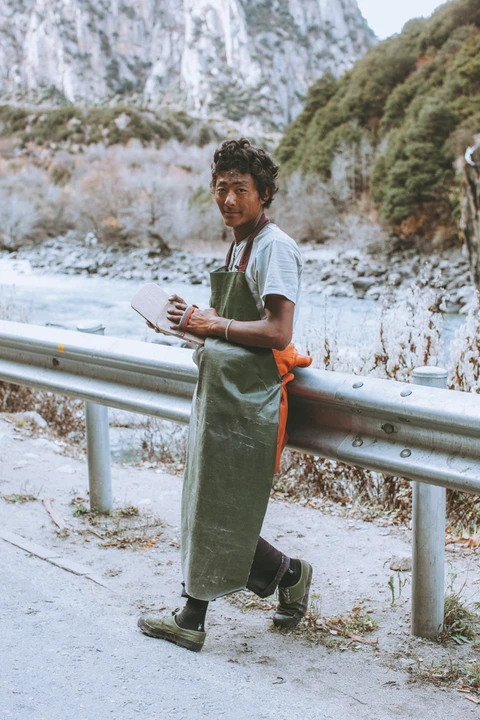
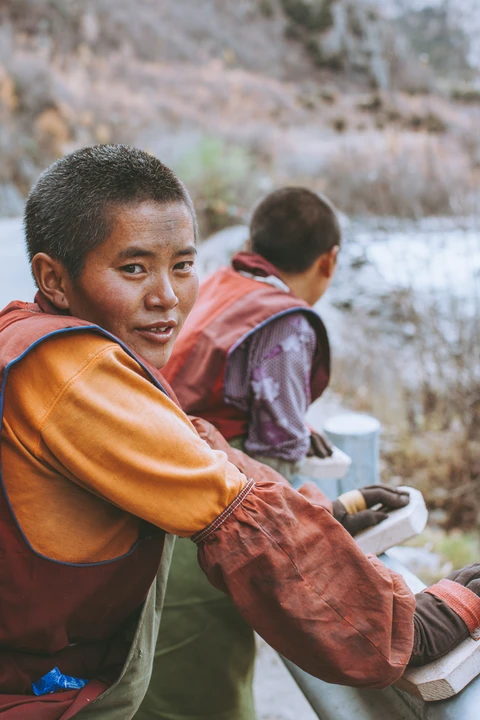
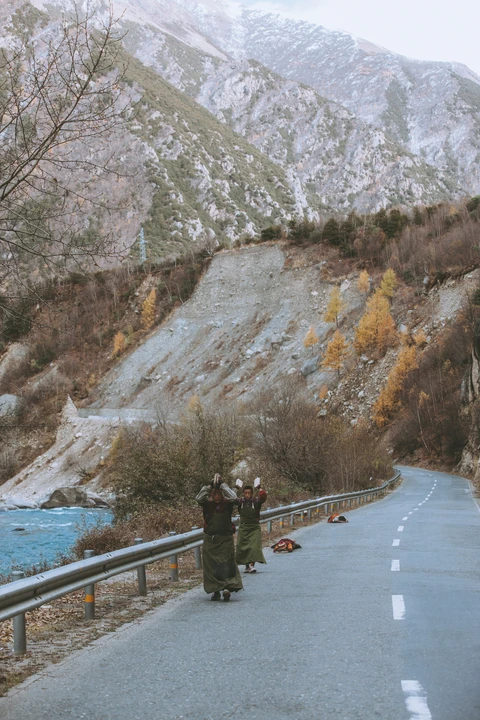
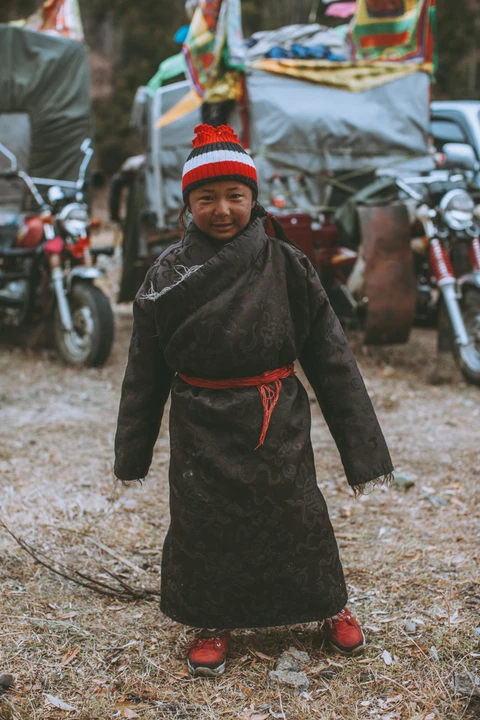
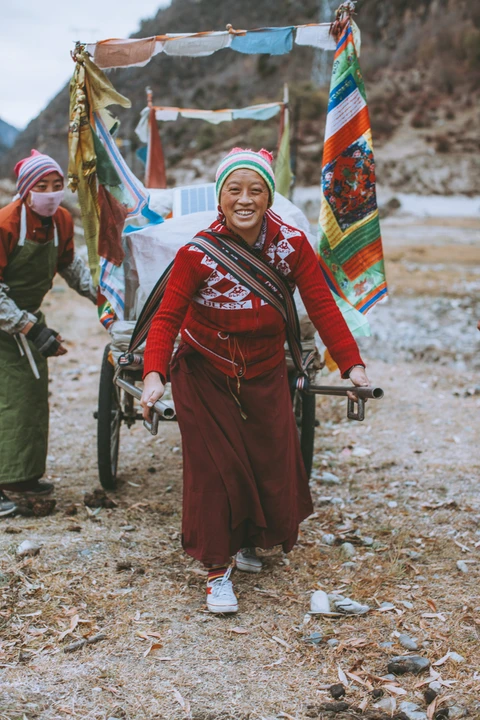
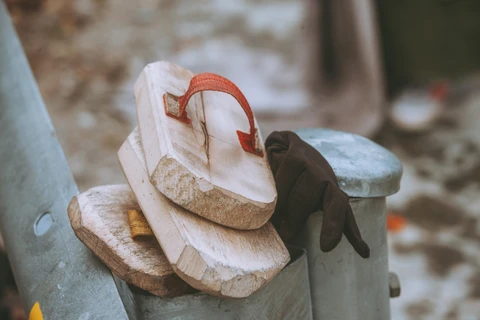
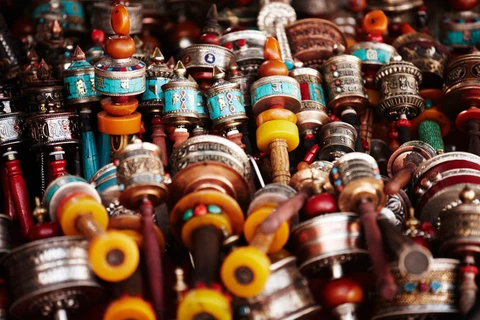
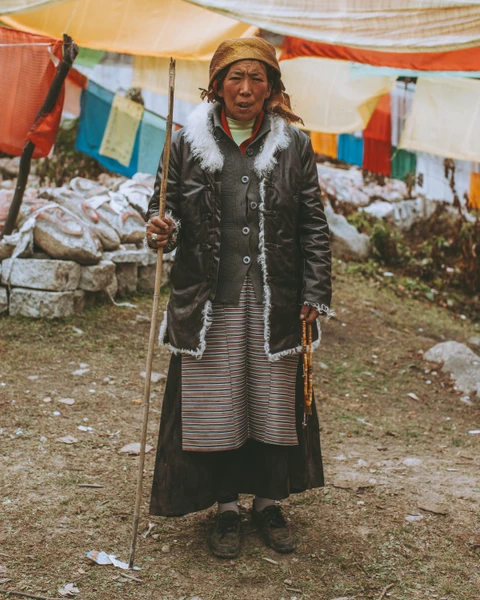
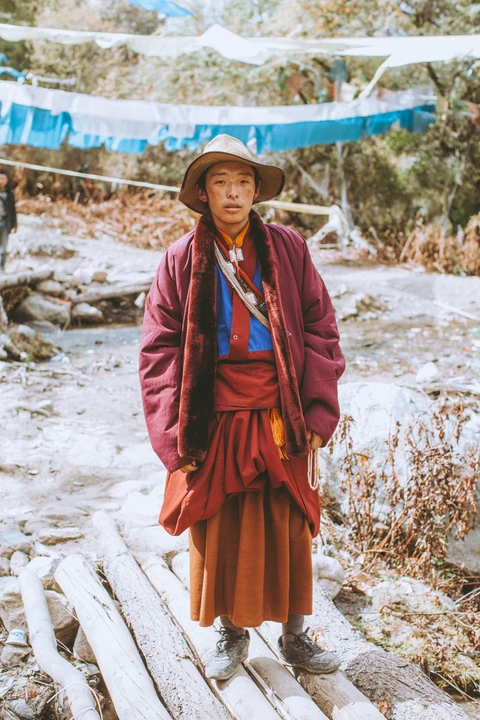
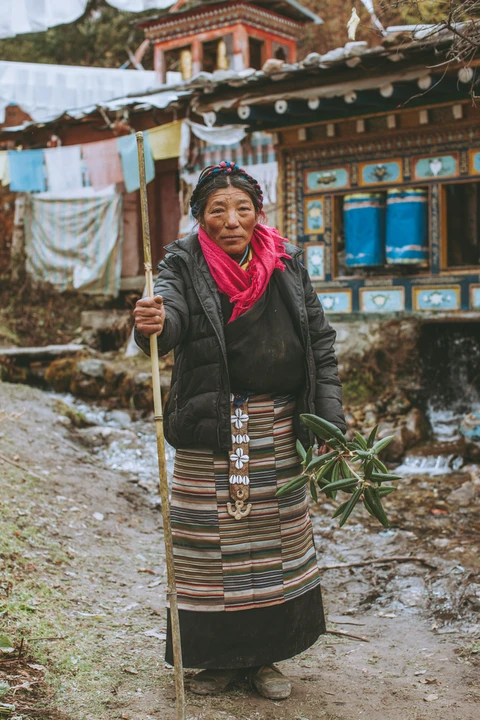
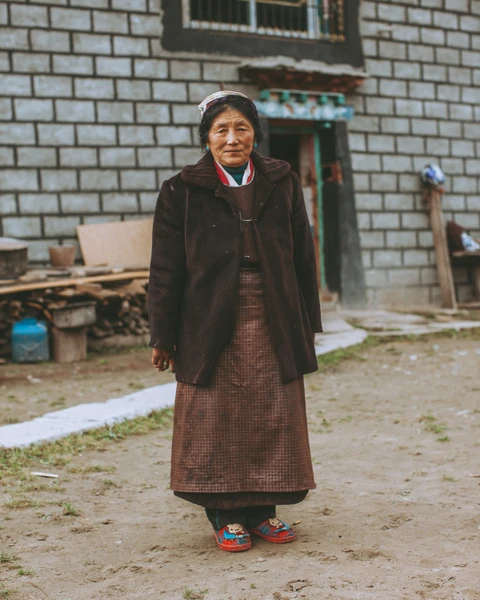
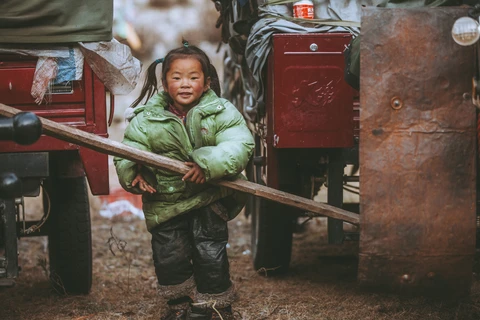
Along the road, I kept watching the repetition: standing, lowering to the ground, getting up, moving forward. I photographed the faces, the hands, the objects people carried, and the spaces between them.
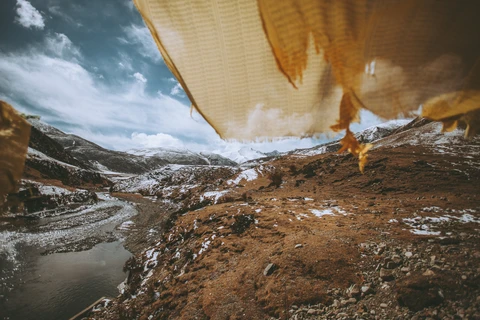
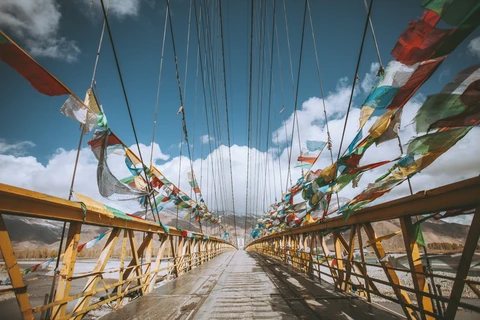
The altitude stayed with me. So did the countryside. There was so much open space, and then a person moving through it, one movement at a time.
I had traveled there with an idea of what I wanted to photograph. On the road, I kept coming back to what was actually in front of me. A face. The things someone carried. The stretch of road still ahead.
Through Lumbum, I could ask questions and hear something about the journey. The rest of the time I watched and made photographs. I wanted the pictures to hold both the people and the space around them.
When I think back to that cold night at camp, I remember sharing food and trying to understand a journey so different from my own. Then I look at the roadside photographs again, and the repetition is right there. The same practice, carried through that enormous landscape.
Backin Lhasa
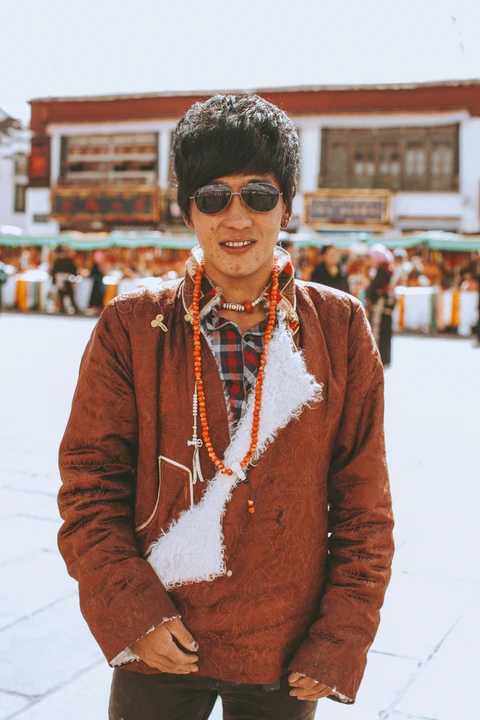
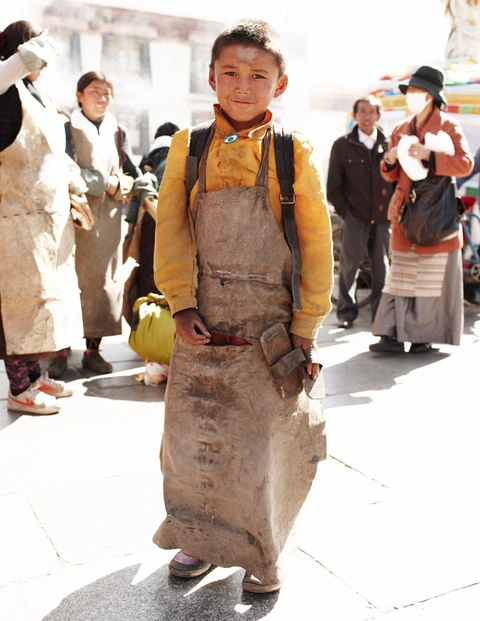
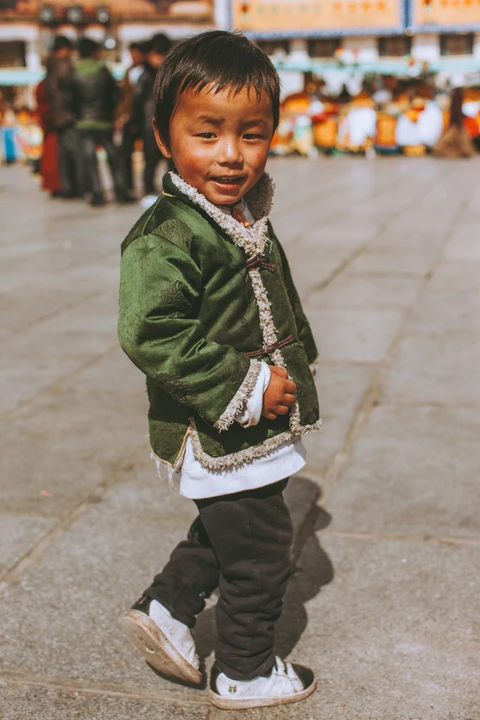
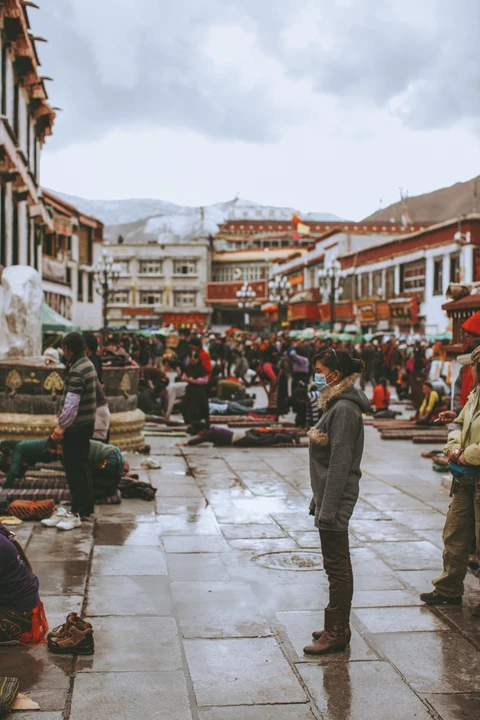
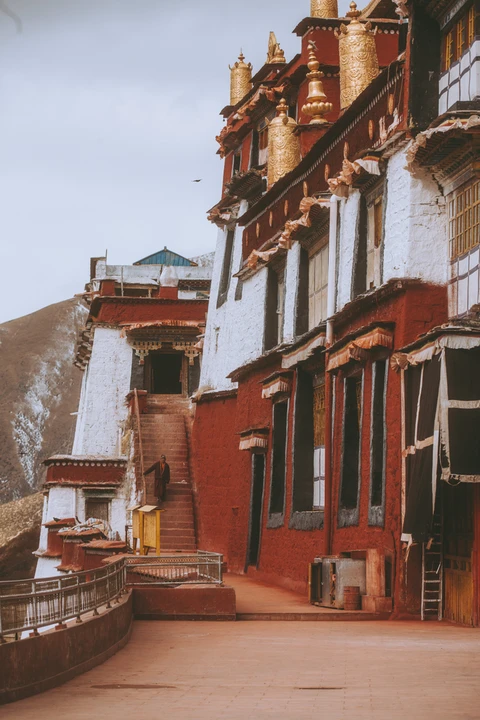
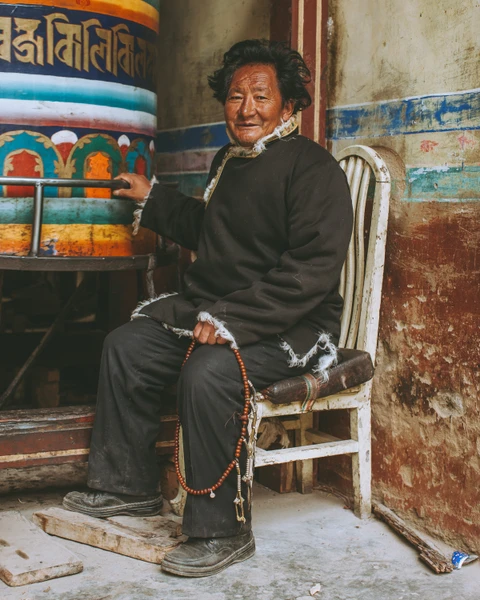
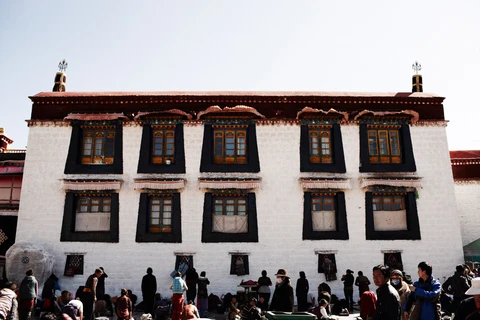
Back in Lhasa, I photographed pilgrims near the place I understood to be their destination. I had imagined an elaborate temple. The building I saw was much more understated.
That surprised me, but what it looked like to me had nothing to do with what it meant to the people arriving there.
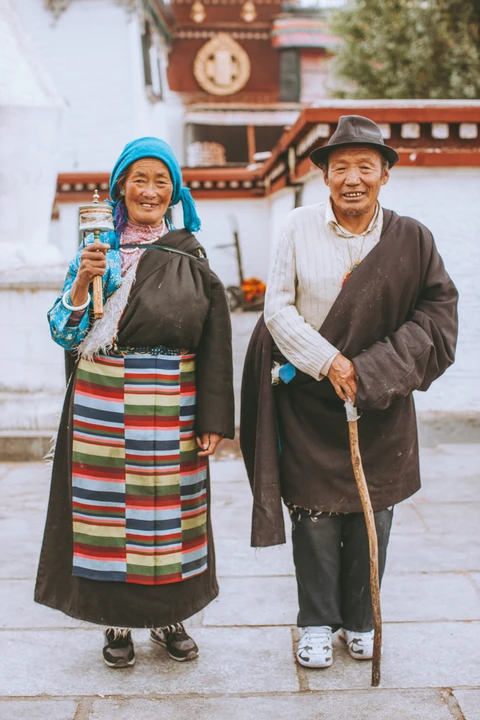
I still think about the older man on the road, the night at camp, and the faces of the people I met. Their dedication was so far outside the pace of my everyday life. When I look through these photographs, I remember being there with them.