
For more than twenty years Nick Onken has photographed famous faces and unknown ones, on magazine sets and in village schoolyards. Here he writes about what happens between a photographer and the person in front of the lens, and the faces he wore along the way.
I photograph people.
For more than twenty years that has meant Justin Bieber on a Motorola campaign in Zurich, Usher, Jessica Alba, Ian Somerhalder in a red canoe for Condé Nast Traveler, and covers for SUCCESS magazine. It has also meant kids at village schools in the jungles of Laos, and people standing in front of a professional camera for the first time.
All of them walk in wearing a face they have shown the world before. Some of those faces are famous. Most are not. What I want to know is who is wearing it.

Early in the celebrity years, someone I trusted gave me a rule. Never fan out. Treat the person in front of you like another human. Some people are playing at a different level, but we all go through the same stuff.
That has never meant everyone starts in the same place. I have seen both ends of that up close, sometimes in the same week. What I am curious about is what each person does with what they were given.


Every portrait has two authors. I bring the frame: the composition, the light, the color, the place, the story I want the picture to tell. The person in front of the camera brings everything else. Their history, their energy, the way they see themselves, the version of themselves they came to show me.
The photograph happens somewhere between us, and neither of us fully controls it. I think of it as a dance.
Over the years that dance became a style I call Elevated Realism. Advertising taught me to build an aspirational story, magazines taught me to tell a human one with style, and years of photographing strangers around the world taught me to work with anyone. So I build a world around a person, then leave room for who they really are to come through inside it. The picture should make you want to be there, and the person should still feel like someone you could actually know.

Curiosity is most of my process. I ask a lot of questions, because I want to know how someone sees the world and what matters to them.
Sometimes I get five minutes with a person. Sometimes I get days. I bring the same questions either way.
Most people carry some nerves into a shoot, famous or not. So I read the person, give them time, and keep talking until something settles. Conversation builds a little trust, and trust usually finds its way into the pictures. Not every time.
I spent four days photographing Evangeline Lilly in Hawaii. We made pictures, explored the island, went to her favorite bookstore, and talked a lot about spirituality and the bigger questions in life. With that much time, a shoot stops feeling like a session and starts feeling like getting to know someone. That is the version of this job I love most.


I grew up in a soggy suburb north of Seattle, paid my own way through community college studying graphic design, then designed book covers until I could not stand being inside a building eight hours a day. Freelance came next, and so did the lean years: a $300-a-month basement room and a pot of pasta that had to last four days. I was broke, and I was free.
I bought a digital camera for my design work, then pitched a nonprofit on a photo trip to Zimbabwe, Uganda, Kenya and Burundi. I came home knowing I loved photography far more than design. I just had no idea it was a job.


A year or so later an agency producer called. Nike wanted portraits of Ben Roethlisberger, Brian Urlacher, Albert Pujols and Mariano Rivera. I had to Google all four of them.
That job paid for six months in Paris. Two years of crickets followed. In Los Angeles a blog about learning the business turned into a book, Photo Trekking. Then I signed with an agent in New York, and the big productions arrived: Coca-Cola, Adidas, Reebok, Walmart, and stories for Condé Nast Traveler, Cosmopolitan and Marie Claire Australia. Through my friend Adam Braun I got involved early with Pencils of Promise, and spent a week in Laos photographing kids at the schools it builds.
Later my friend Lewis Howes asked me to shoot him for a new website. That shoot led me to people building their own names, Tony Robbins and Jay Shetty among them.


For years my life moved at the pace of the next production. Campaigns for Nike, Coca-Cola and Adidas, editorial stories, celebrity portraits, and a flight to wherever the next shoot was. It was an exciting chapter, and I loved it.
Somewhere along the way I noticed how much of me was riding on it. The clients, the sets, the names in front of my camera, the next big assignment. That face, the successful photographer, was real, and I had earned it. It just was not the whole of me, and I had started living as if it were.
So I turned the questions I ask the people I photograph back on myself.


Who was I without who I was shooting and what I was shooting?
I wanted to know how much of me came from what I had accomplished, how much came from what the world around me expected, and what I actually wanted to make.
Working through that, I started to recognize something I had been doing with other people for years. It became what I call Identity Alchemy. Every portrait already asks who this person is and how they want to be seen. Identity Alchemy goes a little further: you take apart the identities you inherited or picked up along the way, keep the pieces that are truly yours, and become that person, in your life and in the way you show up.
With a lot of the people I photograph now, we start there, before we ever talk about light. Elevated Realism is how I make the photograph. Identity Alchemy is how I get to know the person inside it.
Photography is still the center of my work. It is one of my faces, and I am still working on the rest of my own answer.


You’ve probably heard it before. The French call it je ne sais quoi. That certain something you can’t quite put your finger on.
A picture can have beautiful light, a strong composition, everything technically working, and still not have it. When it is there, you feel it before you can explain it. An energy, a frequency, something that makes you stop and look a little longer.
Part of it is on purpose. That is what Elevated Realism is for: I build the light, the color, the place and the story so there is a world worth stepping into. The rest comes from the person in front of me and what happens between us once we both forget about the camera. I set the intention and the parameters, then I leave room.
Sometimes I feel it on set, the second it happens. Sometimes I only find it days later, going through the frames, when one picture stops me. That is the one I am always looking for.


I live in Topanga, California, now, where I am building a studio. I shoot commissions for magazines and brands, and I am happiest with a person in front of my camera.
What pulled me into photography was people. Strangers on that first trip through Africa, then athletes I had to Google, then actors, musicians and founders. Twenty years in, I am more curious about the person in front of the lens than when I started, and I give more of the picture to them.
The portraits I want to make now are carefully built and still loose enough for the person in them to surprise us both.
If you have a portrait in mind, or a story that needs one, I would love to hear about it.
Selected Published Work
Covers and stories from SUCCESS, Condé Nast Traveler, Glamour, GOSS, Organic Spa and LEFAIR. Select any page to see it whole.
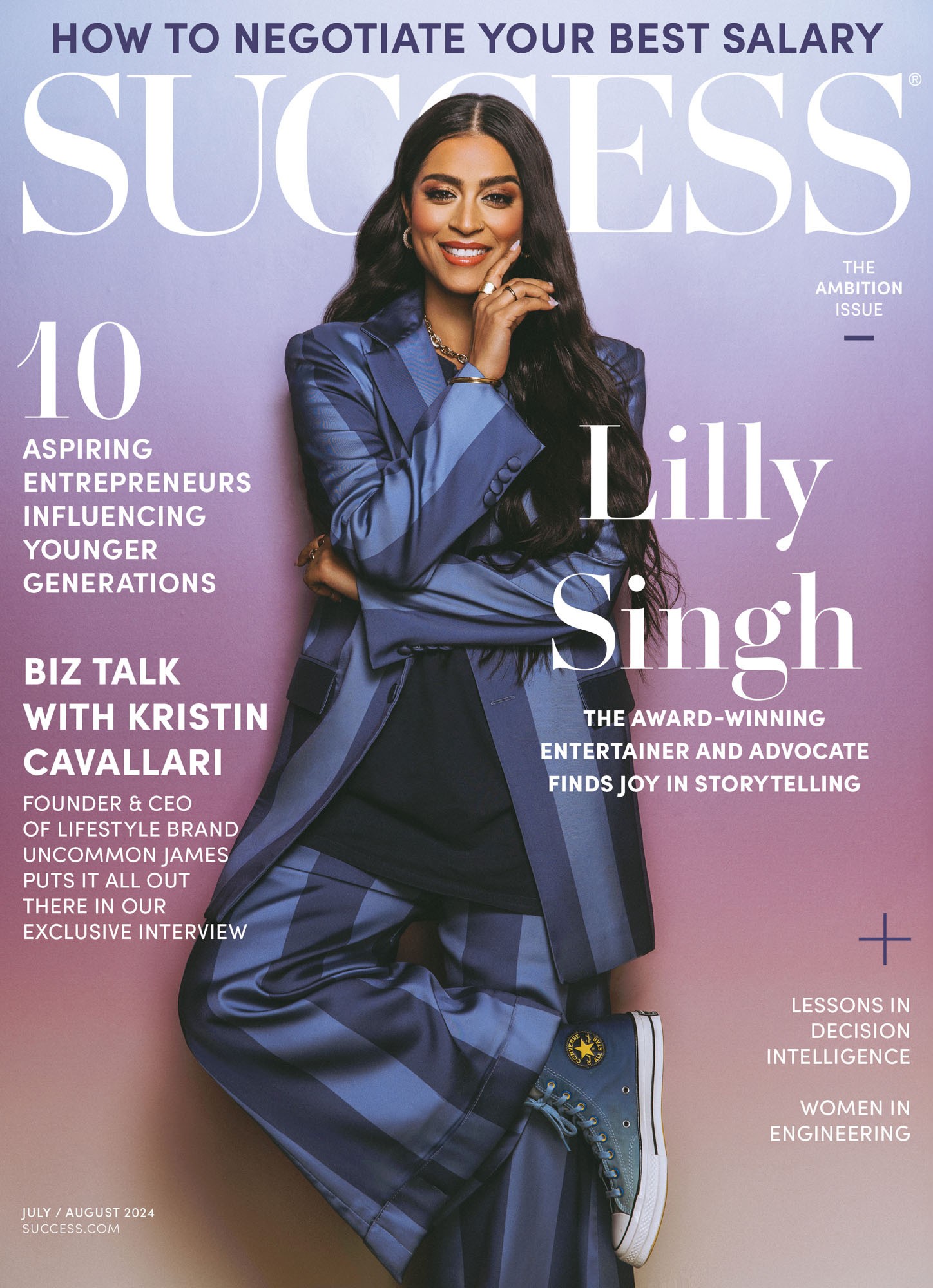
SUCCESSLilly Singh
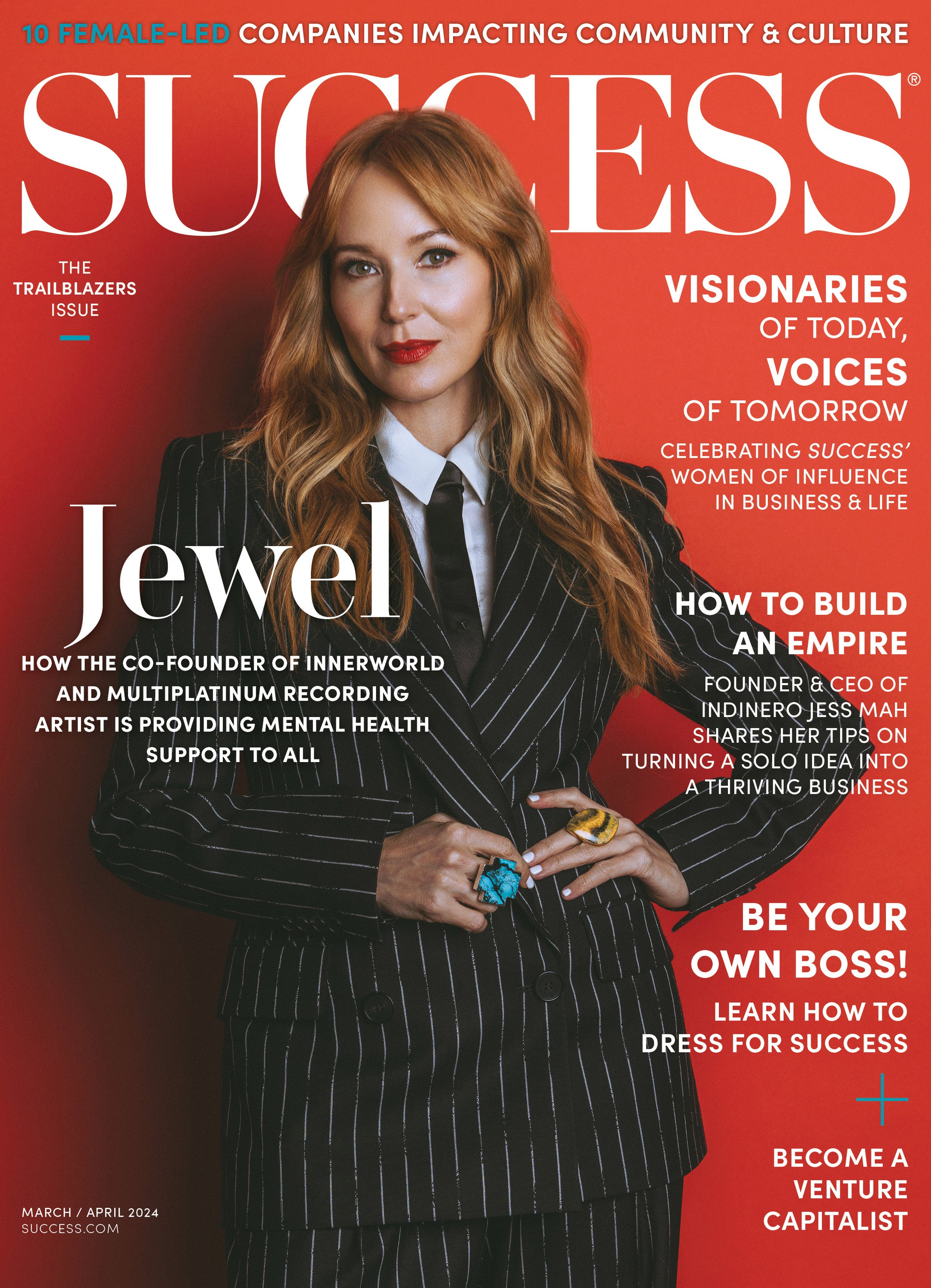
SUCCESSJewel
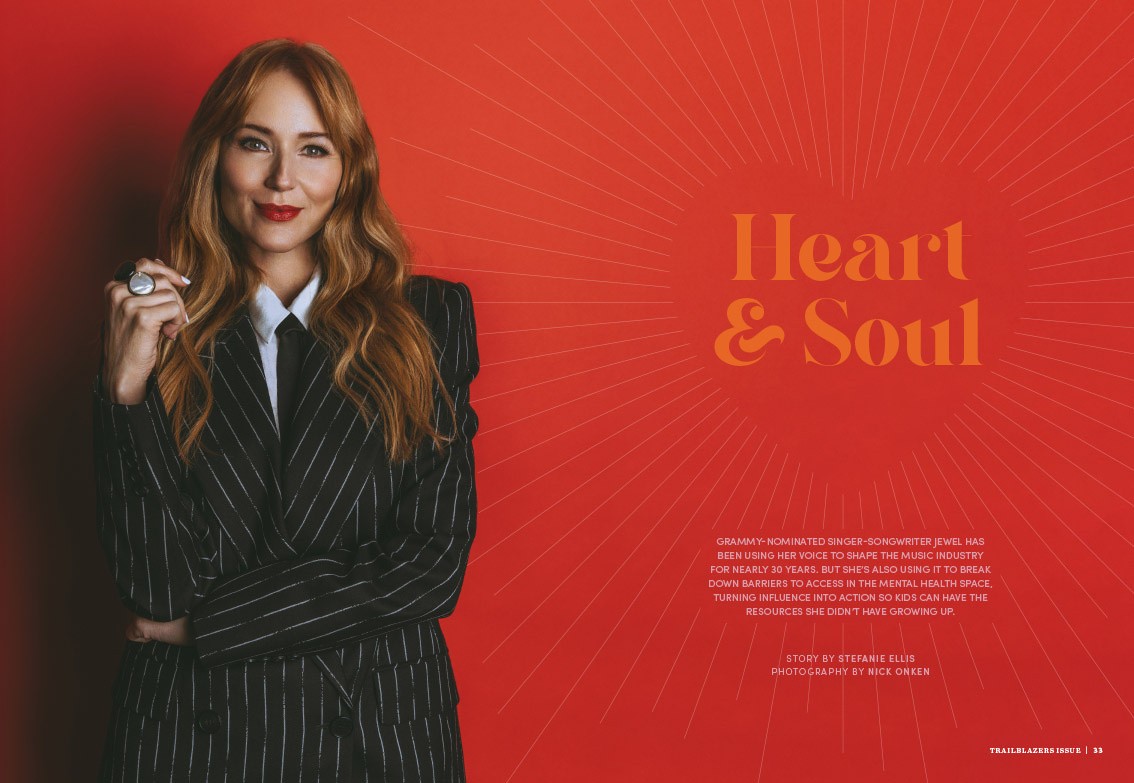
SUCCESSJewel
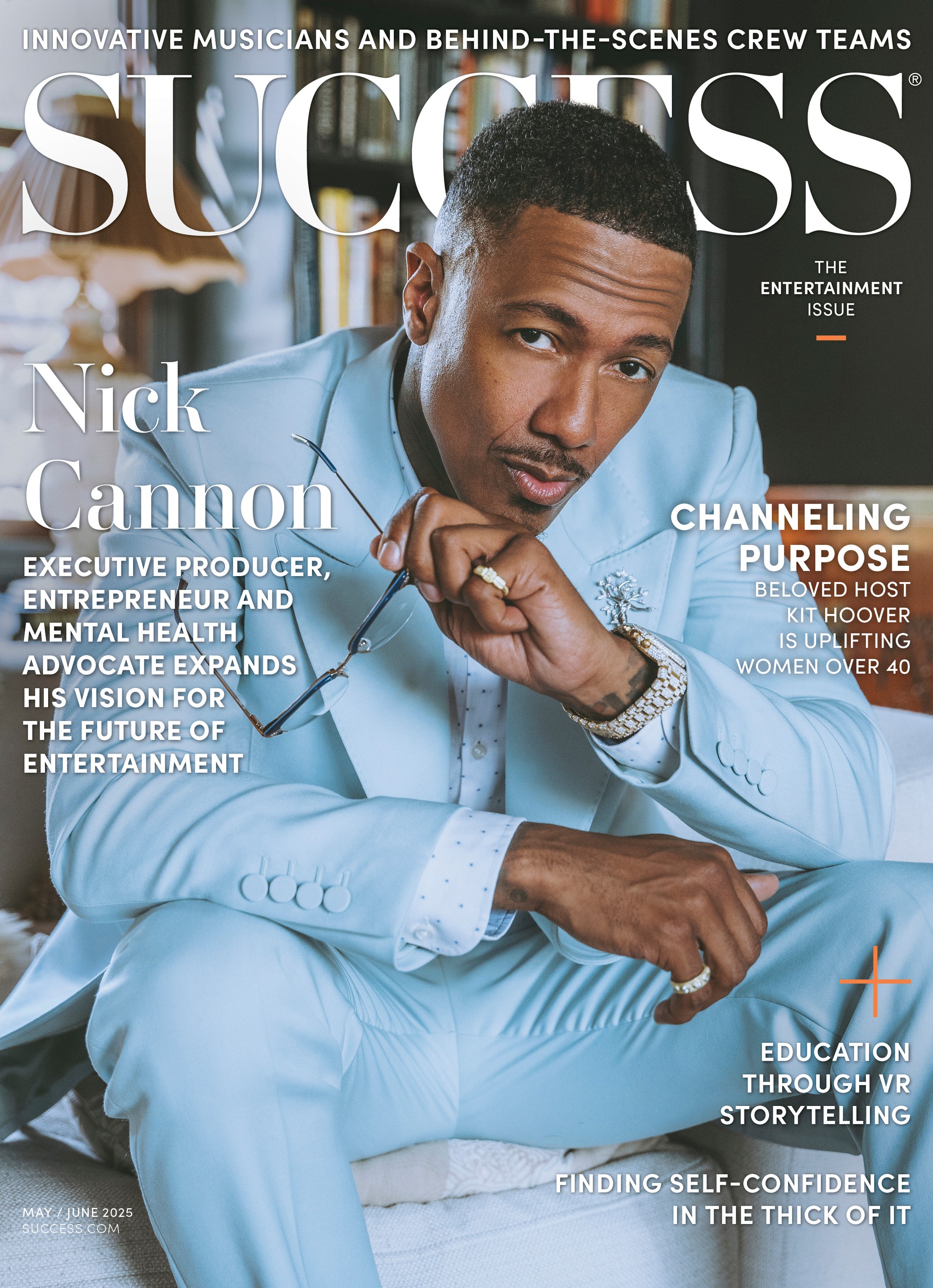
SUCCESSNick Cannon
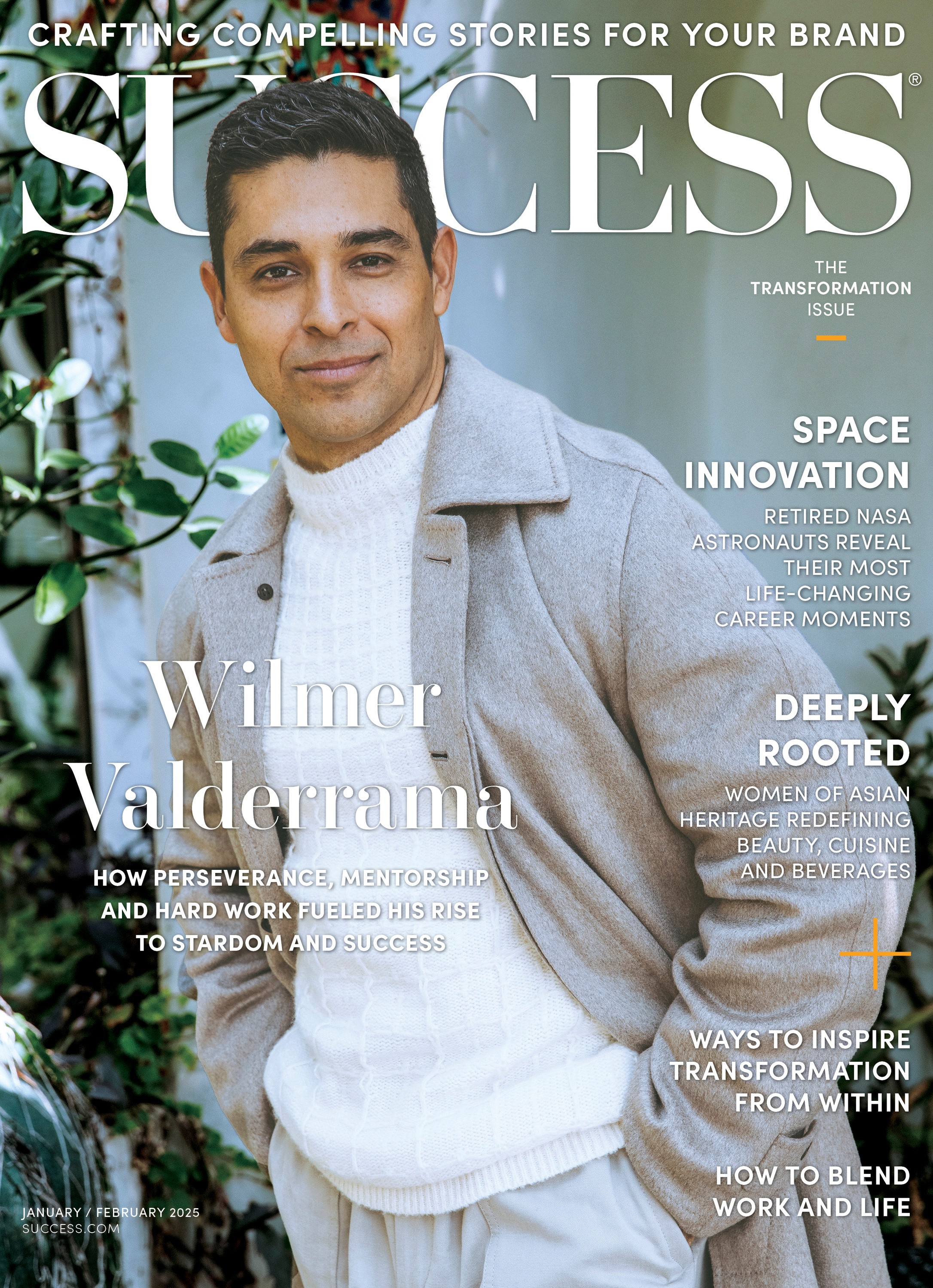
SUCCESSWilmer Valderrama
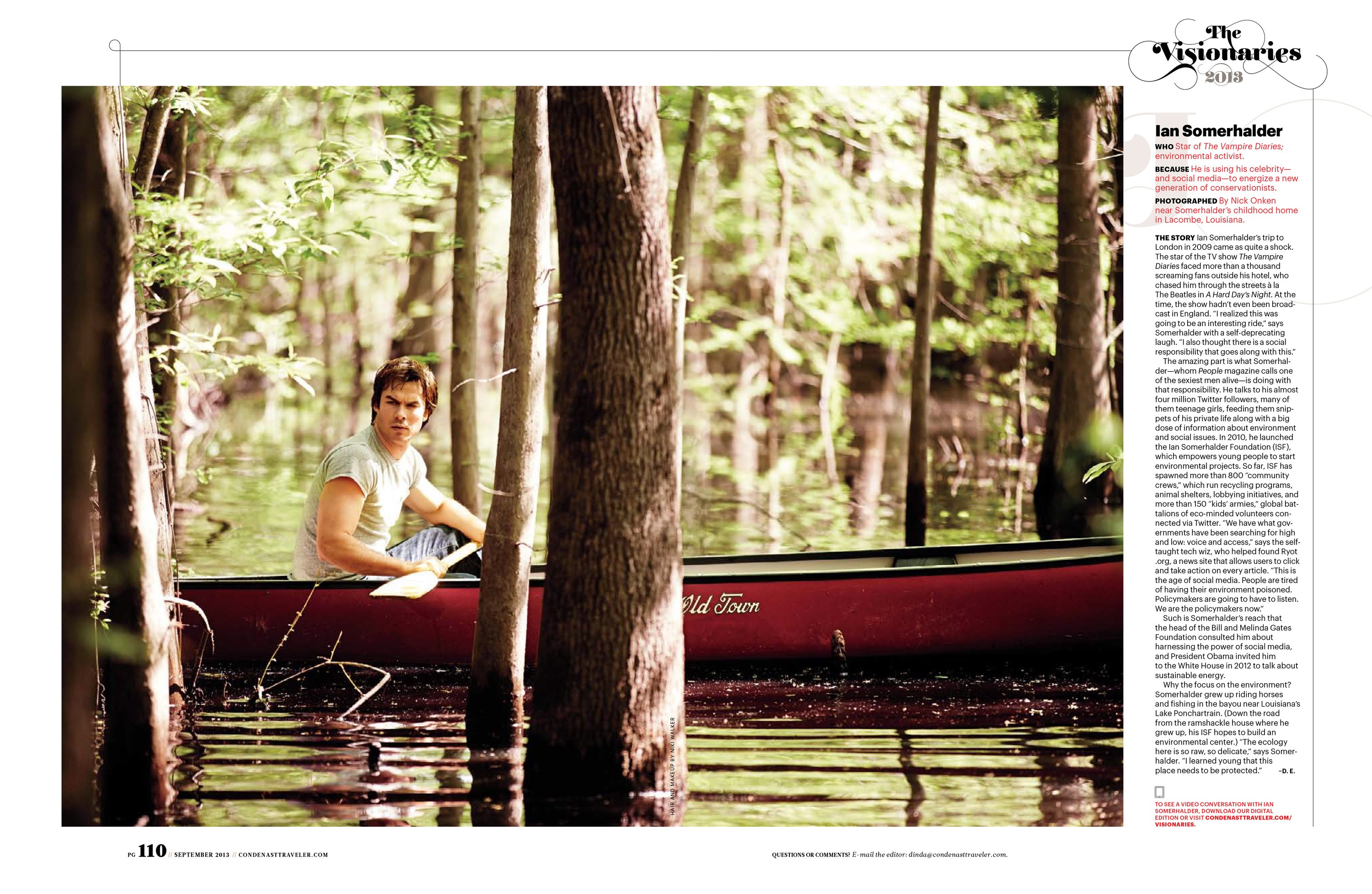
Condé Nast TravelerIan Somerhalder
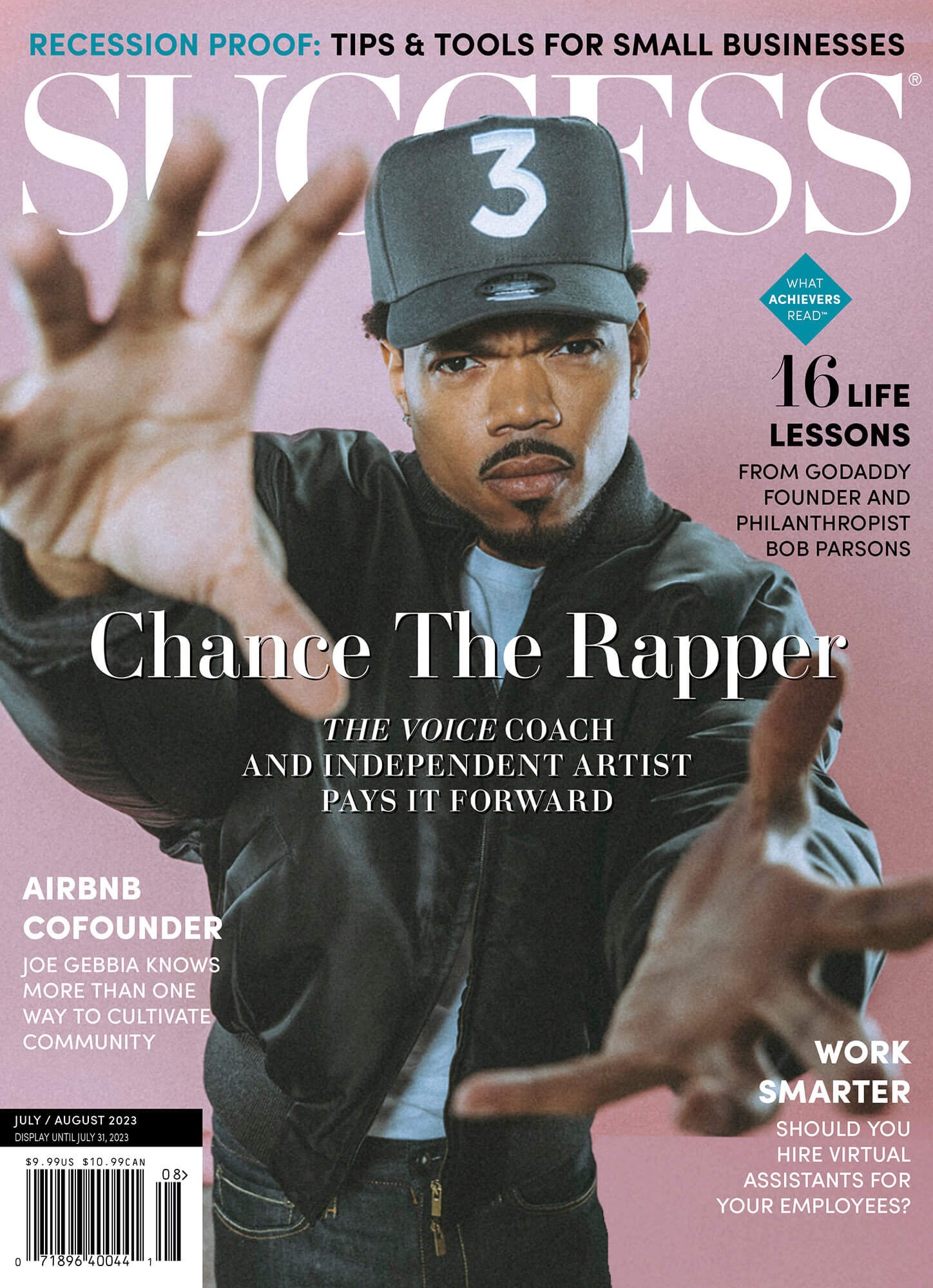
SUCCESSChance the Rapper
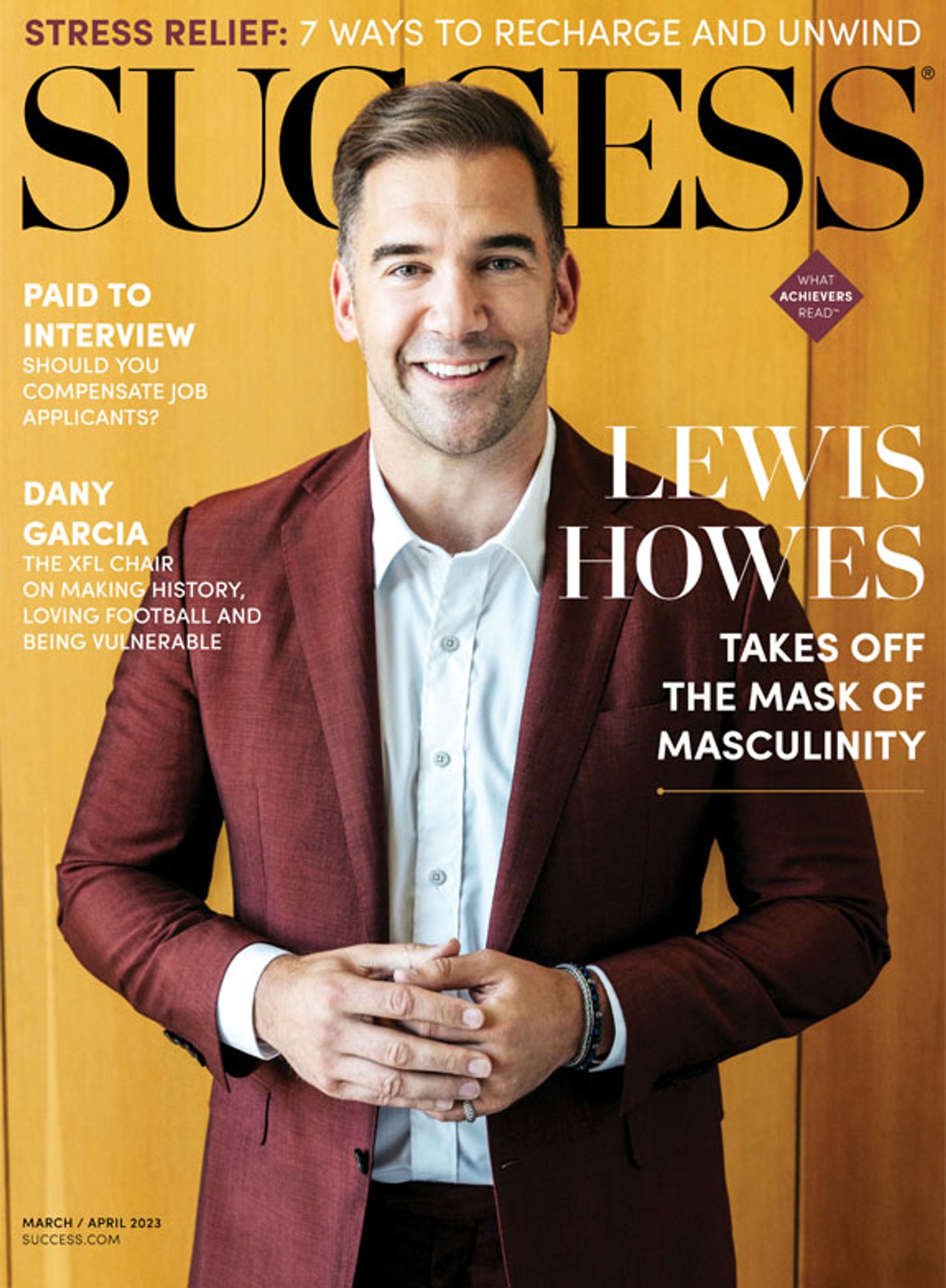
SUCCESSLewis Howes
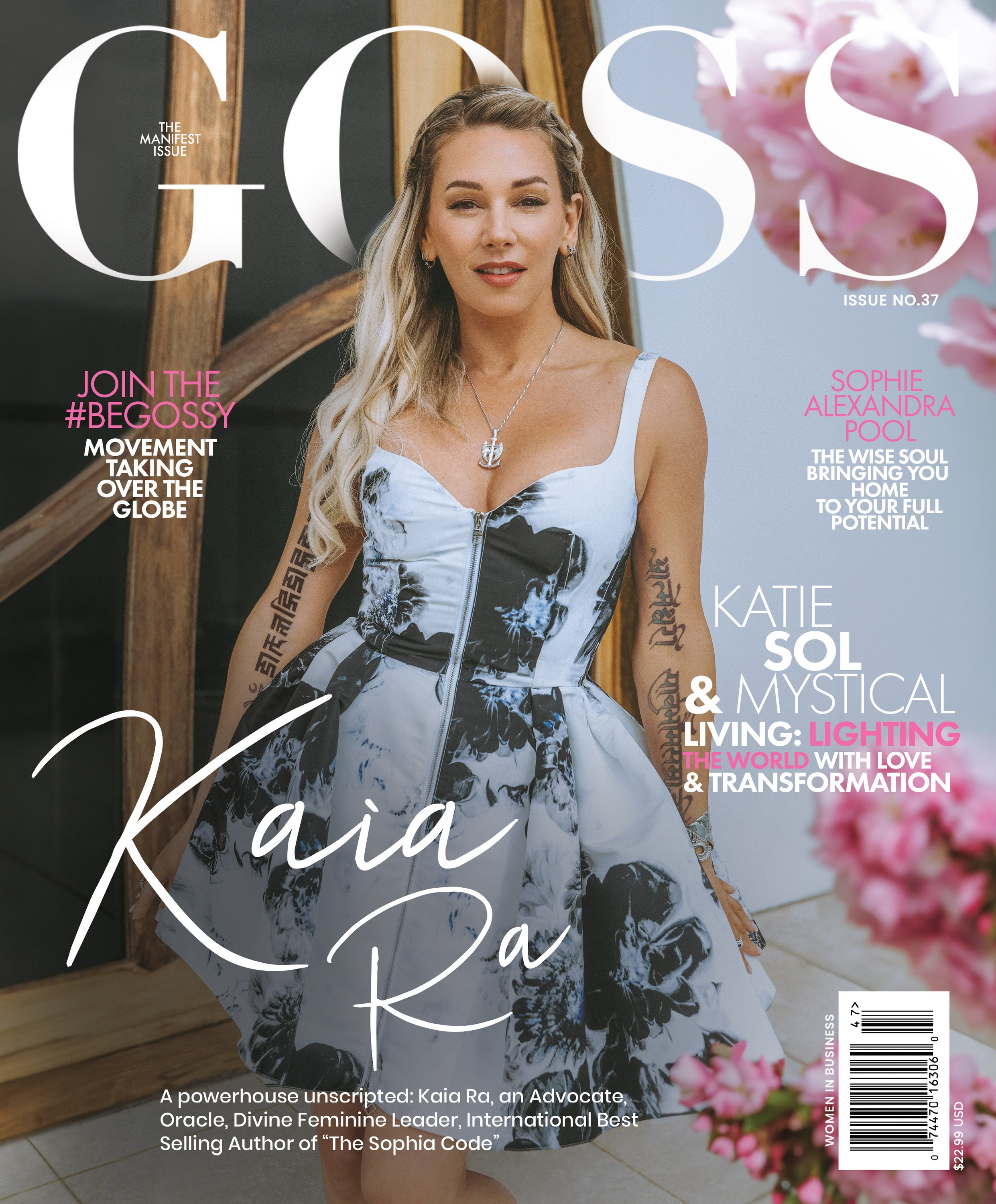
GOSSKaia Ra
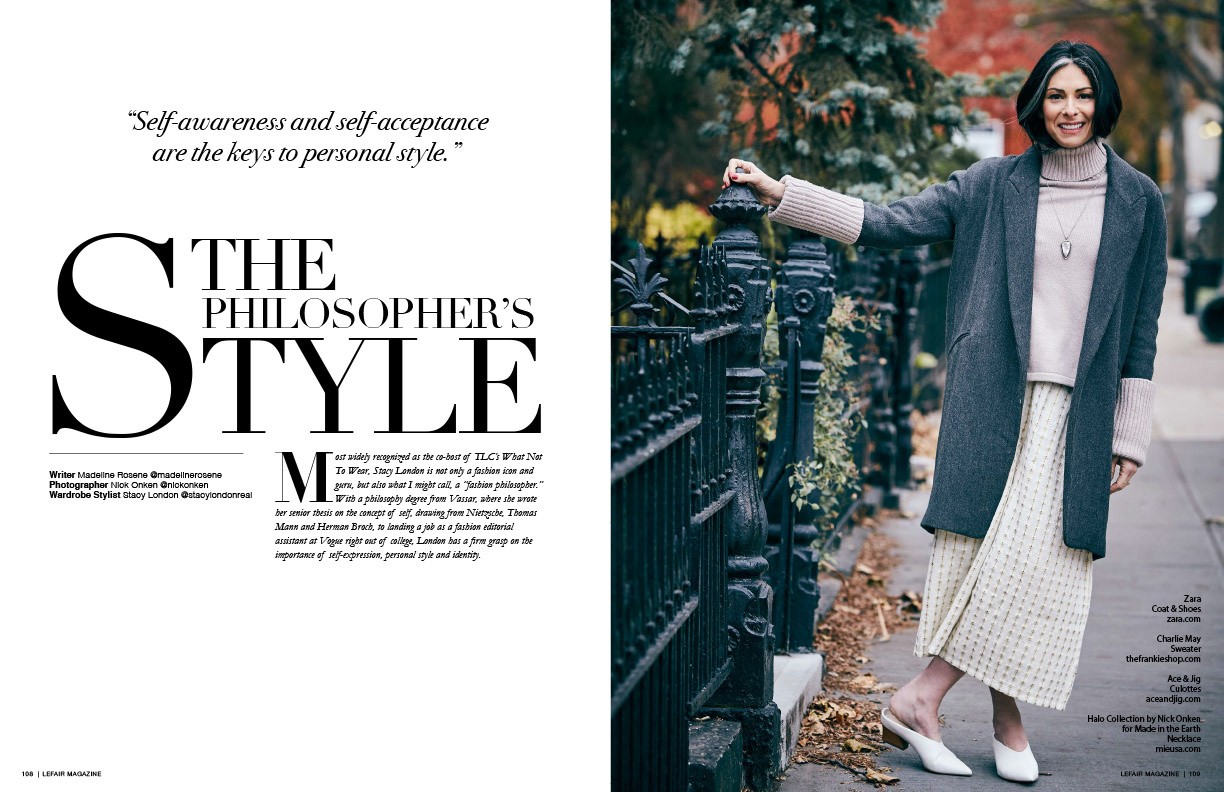
LEFAIRStacy London

Glamour BulgariaNatasha Graziano
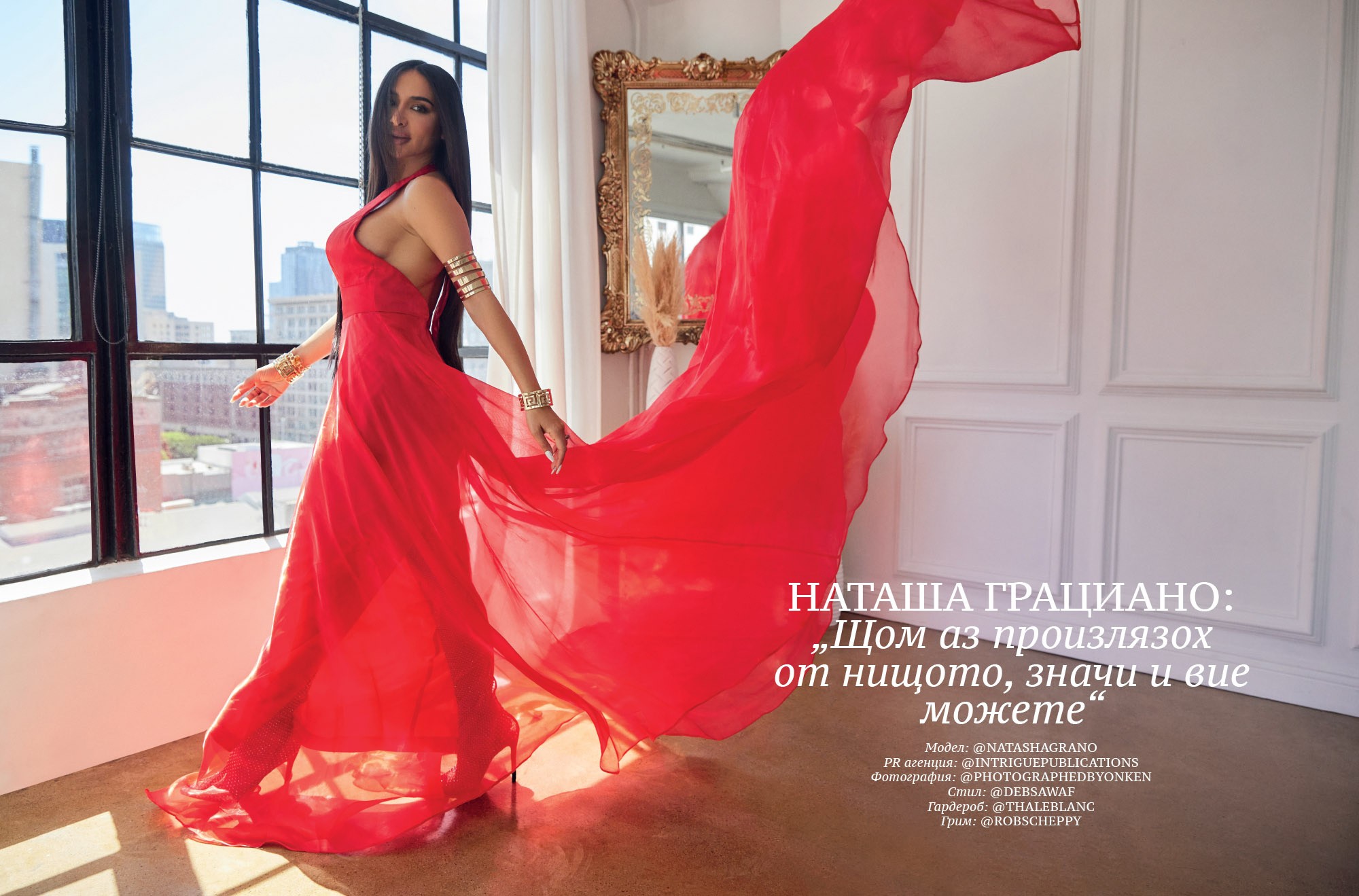
Glamour BulgariaNatasha Graziano

Organic SpaMaggie Grace
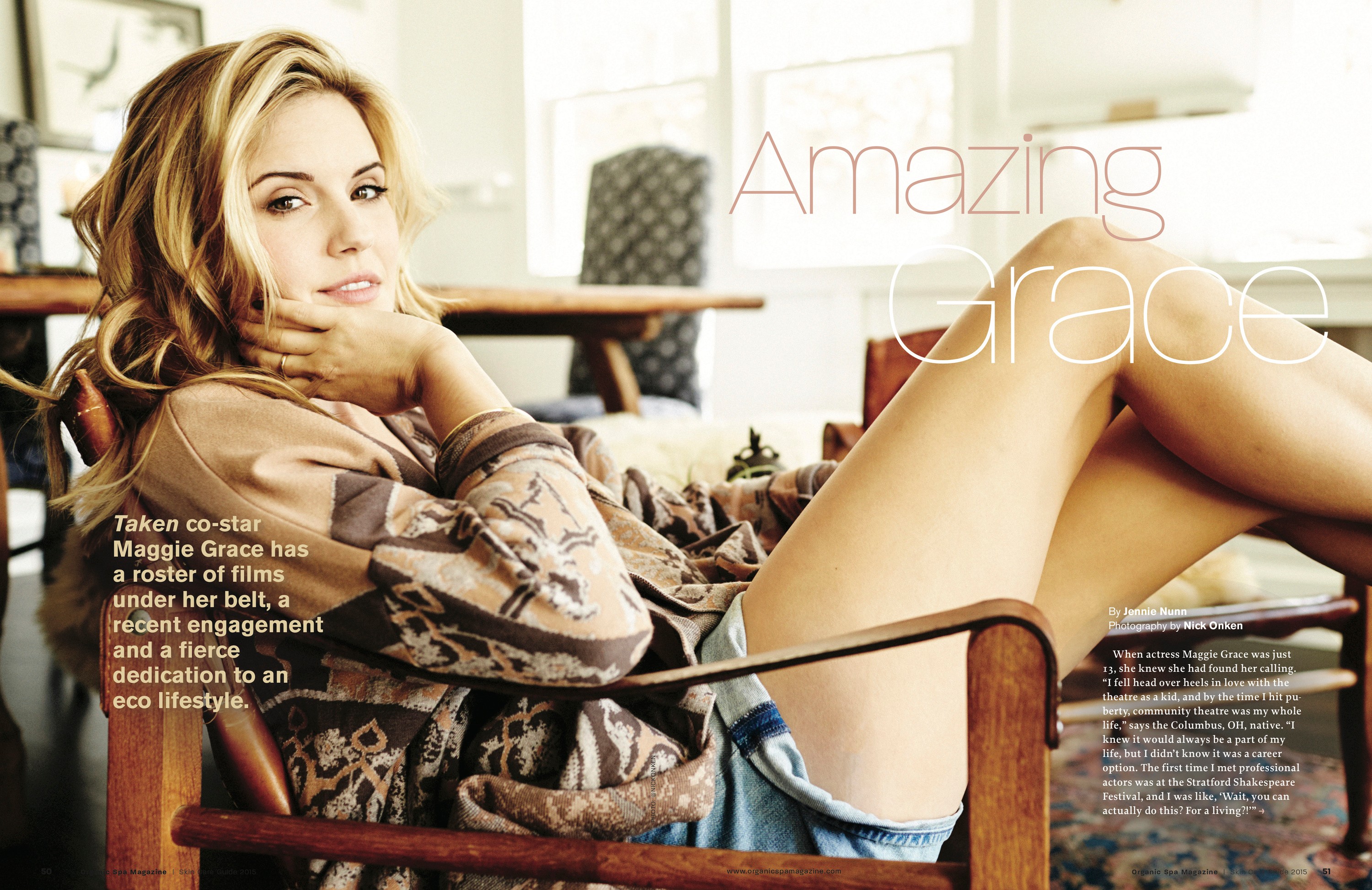
Organic SpaMaggie Grace
Featured In:






Selected clients and publications
Editorial publications
- Condé Nast Traveler
- SUCCESS
- Cosmopolitan
- Marie Claire Australia
Commercial clients
- Nike
- Coca-Cola
- Adidas
- Reebok
- Walmart
- CVS
- Foot Locker
- Motorola
- Secret
Portrait subjects
- Justin Bieber
- Usher
- Jessica Alba
- Evangeline Lilly
- Ian Somerhalder
- Simon Baker
- Jewel
- Mary J. Blige
- Nick Cannon
- Chance the Rapper
- Wilmer Valderrama
- Henry Golding
- Ronny Chieng
- Jimmy O. Yang
- Constance Wu
- Lilly Singh
- Maye Musk
- Lil Jon
- Tony Robbins
- Jay Shetty
- Lewis Howes
- Jim Kwik
Books and projects
- Photo Trekking, a traveling photographer's guide (book)
- Pencils of Promise, early photographer in Laos and Guatemala
- Onken Radio (podcast)
- Shoptalk (blog)